Journey to Motherhood: Naturopathic Approaches for Postpartum Depression
May 13, 2026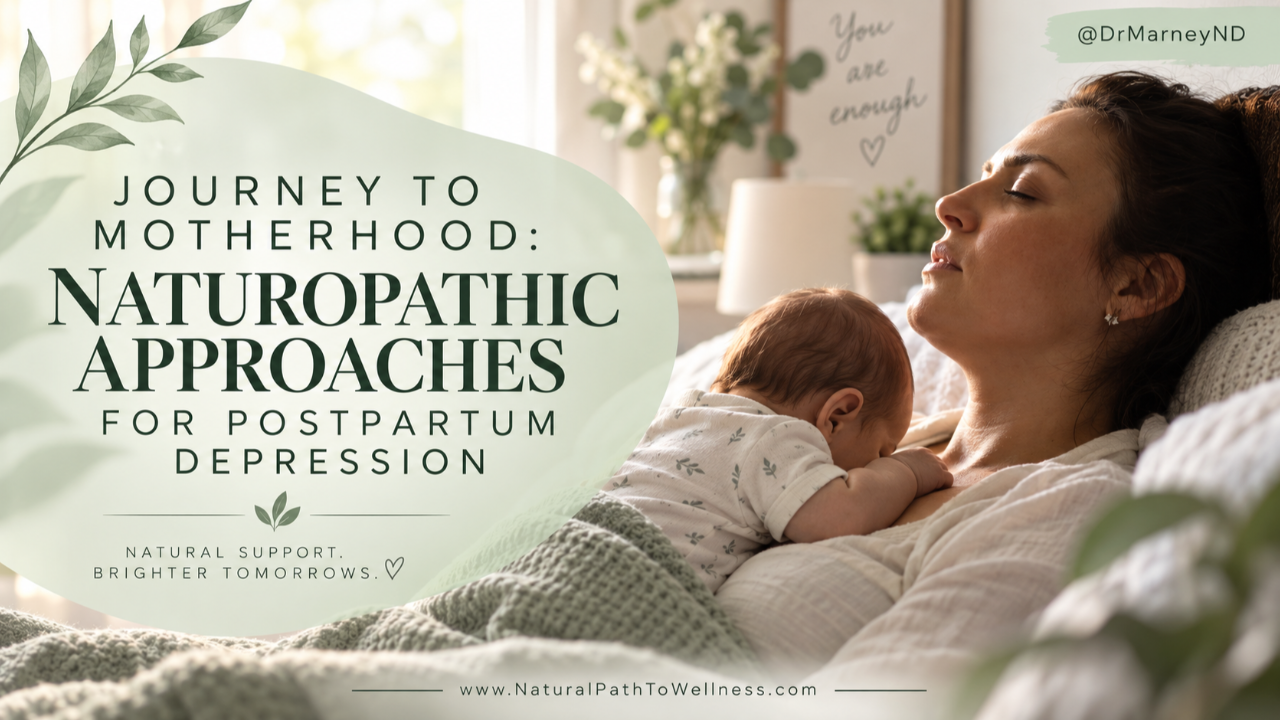
Pregnancy is a challenging journey filled with risks and vulnerabilities that affect the health of the mother and development of the child. This is precisely why supporting the mother throughout this period is very important and care should not be stopped even after birth. Postpartum depression (PPD), a common problem faced by many mothers in the world, needs proper recognition and care to nurture the health of both mother and child after birth. As the mother embraces a new chapter and responsibility in her life, holistic support that nurtures both mind and body is important in preventing and managing postpartum depression.
Understanding Postpartum Depression
Postpartum depression is a concerning complication of pregnancy that affects mothers all over the world, most of which are undiagnosed or not given adequate treatment. It can happen to mothers within one month of giving birth and may last up to a whole year. The development of PPD is influenced by a variety of factors, such as hormonal changes and emotional state during pregnancy. The mother’s nutrition throughout this period is especially crucial and can contribute to the development of PPD.2 Additionally, changes in progesterone and estrogen levels during childbirth may decrease the mother’s serotonin and dopamine levels, affecting her mood, focus, and motivation.4 Low serotonin levels have been associated with mood disorders, such as anxiety and depression.
Signs and Symptoms
Mothers with postpartum depression may have low and unpleasant moods, lack of interest in her surroundings, problems with appetite and sleep, trouble concentrating, and guilty feelings towards her child.1 These mothers may also feel a lack of interest towards caring for her baby. In severe cases, mothers with postpartum depression may have suicidal thoughts and ideation. Mothers who were previously diagnosed with depression, have problems with their self-esteem, have unsupportive and problematic partners, and experienced complications during pregnancy are more likely to develop postpartum depression.4
Early Recognition and Care
Early detection of postpartum depression is important for timely, holistic care.
This is precisely why building trust with your healthcare provider is important throughout your pregnancy. Follow-up visits to your healthcare provider even after giving birth help address your concerns and recognize symptoms you may be feeling that can distinguish the thin line between postpartum depression and postpartum blues, a phenomenon that mothers commonly experience after giving birth.
Postpartum depression can actually affect 1 in 7 women after giving birth.5 Postpartum blues, on the other hand, may cause mothers to be irritable, have unhappy moods, and cry easily, lasting for less than two weeks.1 Although normal, this phenomenon needs to be recognized and monitored as it can develop into postpartum depression without adequate support.
Products I Often Recommend
These are a few products I commonly consider when supporting this phase of life.
Disclosure: Consult your healthcare provider before starting any new supplement, particularly during pregnancy or breastfeeding. Product selection and dosing should be individualized. I may receive financial benefit from purchases made through my Fullscript dispensary. This does not increase the price you pay, and my recommendations are based on clinical relevance rather than compensation.
The Naturopathic Approach
Naturopathic care for postpartum depression aims to nurture the connection between the mind and body through holistic and integrated care. These therapeutic interventions support your body’s natural abilities to heal and nurture itself throughout your childbearing and childrearing years.
Nutrition and Supplementation
Pregnancy and lactation both cause severe stress on the body because these are when the mother sustains another human being instead of just her own. In fact, the mother’s nutritional needs greatly increase during these periods as the baby grows and develops. Hence, following a nutritious and well-balanced diet that targets your specific needs is important to prevent nutrient deficiencies that may cause harm to you and your baby.
Adequate nutrition can also help lower your risks of developing postpartum depression, since the food you eat nurtures your brain’s optimal functioning.2
Just as importantly, eating healthy boosts and protects your baby’s health! Supporting your meals with nutritional supplements, such as vitamin D, can help nurture your bones and at the same time support your body’s ability to carry and protect your baby. Taking omega-3 supplements, on the other hand, supports fetal brain and eye health by nurturing docosahexaenoic acid (DHA) levels.2
Mind-Body Care
A healthy body requires a healthy mind, and a healthy mind requires a healthy body.
This statement is especially important with childbearing and childrearing. Mind-body interventions, such as meditation, muscle relaxation activities, and yoga, are techniques that are generally safe to perform during pregnancy and can help with pain, blood pressure levels, anxious thoughts, stress, depressive feelings, and mood disturbances throughout these crucial events in your life.3 Additionally, these therapeutic techniques nurture the connection between your mind and body, supporting balance within.
Lifestyle and Physical Support
Exercise is a simple, cost-free, and effective regimen that can help nurture your mental and physical state. Once your doctor clears you to exercise, doing at least 150 minutes of moderate physical exercises per week can already help regulate your blood circulation to prevent harmful clots and blood pressure levels, strengthen your muscles to support the baby’s growth and development, increase your milk supply, and improve your mental state.4 Your levels of postpartum depression can be greatly reduced through a simple walk!4
Nurturing Mind and Body Health
Your naturopathic doctor can help support your mood and physical recovery, but it’s important to seek out this professional help and to talk to your primary care provider before beginning any kind of herbs, supplements, or other medications, because many of these substances are released into breast milk and may not be safe for your baby. Likewise, physical activity, nutrition, and other lifestyle changes need to be calibrated to your own recovery journey.
At Natural Path to Wellness, your team of naturopathic medicine advisors are committed to supporting you as your body goes through a wonderful period in your life. We will help you discover the best natural options for your unique case, helping to nurture hormone levels, nutrition, and emotional wellness for your optimal health. Talk to us today!
Written by Kate Nemenzo
Edited and medically reviewed by Marney Johnson, ND, MSCI-TS
This article is for educational purposes only and is not intended as medical advice. Please consult your licensed naturopathic physician or other licensed healthcare provider before making changes to your medications or supplements.
Disclosures & Policies: This and other blog posts may contain affiliate links. Please view our disclosures page for more information.
References
- Stewart DE, Vigod SN. Postpartum Depression: Pathophysiology, Treatment, and Emerging Therapeutics. Annu Rev Med. 2019;70:183-196. doi:10.1146/annurev-med-041217-011106
- Gould JF, Best K, Makrides M. Perinatal nutrition interventions and post-partum depressive symptoms. J Affect Disord. 2017;224:2-9. doi:10.1016/j.jad.2016.12.014
- Oyarzabal EA, Seuferling B, Babbar S, Lawton-O'Boyle S, Babbar S. Mind-Body Techniques in Pregnancy and Postpartum. Clin Obstet Gynecol. 2021;64(3):683-703. doi:10.1097/GRF.0000000000000641
- Kołomańska-Bogucka D, Mazur-Bialy AI. Physical Activity and the Occurrence of Postnatal Depression-A Systematic Review. Medicina (Kaunas). 2019;55(9):560. Published 2019 Sep 2. doi:10.3390/medicina55090560
- Amer SA, Zaitoun NA, Abdelsalam HA, et al. Exploring predictors and prevalence of postpartum depression among mothers: Multinational study. BMC Public Health. 2024;24(1):1308. Published 2024 May 14. doi:10.1186/s12889-024-18502-0
